
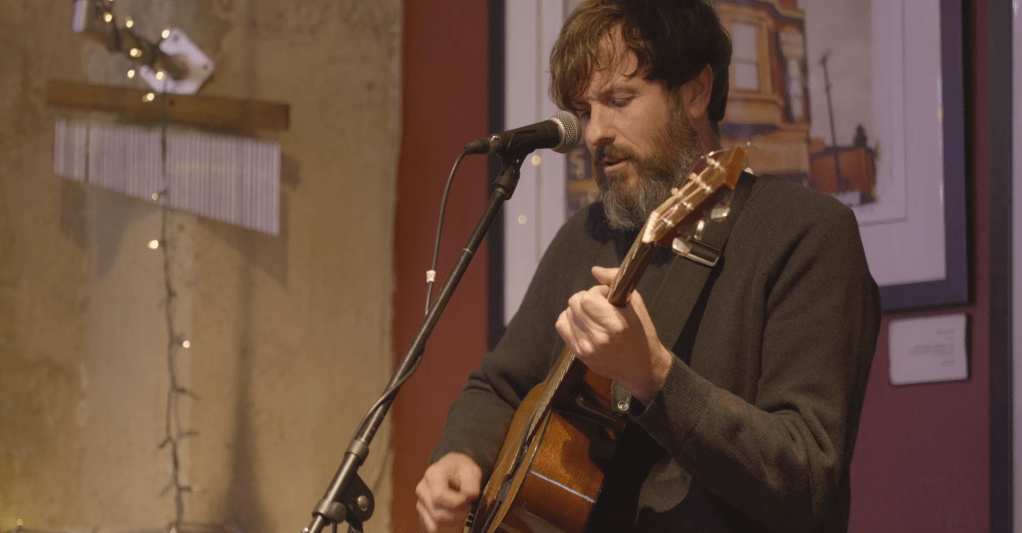
Chris Otepka, the driving force behind the indie-folk project The Heligoats, has a celebrated knack for weaving intricate, often surreal narratives that plumb the depths of human emotion. In “Heat Vents,” a standout track from the 2010 album Goodness Gracious, Otepka crafts a haunting exploration of self-destruction, isolation, and the suffocating weight of the past. Through a series of powerful and unconventional metaphors, the song paints a vivid picture of a mind lost in its own labyrinthine passages.
Down the Rabbit Hole of a Heat Vent
The song opens with a disorienting admission that directly invokes its title: “Yesterday I got lost in a heatvent twice, I know I should have just kept out but you know it was too damn enticing.” This initial image establishes a sense of misguided curiosity and the allure of a dangerous path. The “heatvent” serves as the song’s central and guiding metaphor: a conduit for a self-destructive habit, a descent into mental illness, or a deliberate retreat from the outside world into a suffocating internal landscape. The fact that the narrator gets “lost” and finds the vent no longer leads to a familiar place suggests a loss of control and a journey into uncharted, perilous territory.

This “altered mental state” is one where “one has trouble breathing air, but no trouble feeling great,” a line that strongly evokes the deceptive euphoria of substance abuse or the detached comfort of dissociation. The physical space of the house becomes a metaphor for the self, a classic trope that Otepka masterfully employs. “To travel inside of a body, travel inside of a vein, if the home is where the heart is in the attic is the brain.” The heat ducts, then, are the hidden, often ignored pathways of the mind and body.
The Ghosts of Dust and Unwanted Items
The imagery of dust and forgotten debris is central to the emotional core of “HEAT VENTS.” The vents are not just empty conduits; they are repositories for “the dust, for the pain, for the unwanted items.” These “items” are the remnants of the past, the unresolved traumas and regrets that “tend to stay and die for years.” This poignant metaphor suggests that the spaces we inhabit, both physically and mentally, are haunted by the specters of what we’ve left behind.

The chilling question, “Are you breathing heated air or are you breathing heated ghosts?” encapsulates the song’s central theme: the insidious way the past can infiltrate our present, coloring our very atmosphere. The warmth and comfort one might seek are tainted by these “dusty tears,” a beautiful and tragic turn of phrase.
From Static to Lint: A Disappearing Act
The second half of the song shifts from the claustrophobia of the vents to a profound sense of diminishment and insignificance. The narrator’s perception becomes altered, tasting “electrons” and feeling the “static start to build.” This synesthetic imagery enhances the feeling of a frayed and overstimulated nervous system.
This leads to the heartbreaking confession: “I’m still the only one I know, it seems, who dreams of being lint.” This desire to be something as small and inconsequential as lint is a powerful expression of self-effacement and a longing to disappear. The narrator embraces this transformation, becoming “no one that important,” a “tangible form of boredom” that collects in corners, easily sampled, trampled, and discarded.
The lyrics then cascade into a stream-of-consciousness torrent, listing all the things the narrator will be “collected and killed off like”: skin cells, runoff, sneezes, secrets, and refuse. This rapid-fire delivery mirrors a mind spiraling into a black hole of its own making, “digging and digging and digging and deeper and faster and farther than anything that has ever lasted.”
A Devil’s Comfort
The song culminates in a startling and ambiguous image. The only thing that “keeps me together” and prevents a total blackout is the “devil laughing.” This “devil” isn’t a traditional malevolent figure but rather a constant, almost comforting presence. The narrator’s assertion that “he’s always right and he’s always here and he’s with me tonight” suggests an intimate, albeit destructive, relationship with this internal tormentor.
The final lines are devastating in their tenderness and tragedy. The devil, “losing and hooked up to tubing,” still manages to muster the words, “I love you,” which sound like dust. This could be interpreted as the voice of a dying father figure whose love is intertwined with the very “dust” and pain that has been circulating through the narrator’s life. It’s a love that is both a source of comfort and a key component of the suffocating atmosphere the narrator has been breathing.
“HEAT VENTS” is a lyrical masterpiece that showcases Chris Otepka’s singular talent for transforming the mundane into the profound. Through the visceral and titular imagery of heat vents, dust, and lint, he crafts a deeply moving and unsettling portrait of a mind grappling with its own ghosts. The song is a testament to the power of a central, unifying metaphor to illuminate the darkest corners of our inner worlds, leaving the listener with a lingering sense of both unease and empathy.
Support The Heligoats
Find Chris on tour
Buy Music and Merch Direct
Stream Songs on Spotify
Watch and Subscribe to the YouTube
 Broken Prism Studios