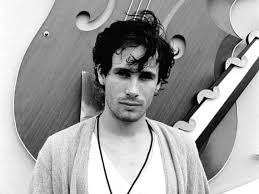
Jeff Buckley emerged during a period when “alternative” music was paradoxically becoming mainstream, yet his own sound stood distinctly apart, carving a unique niche that held particular appeal for the independent music scene. Understanding his enduring indie popularity requires looking at how he contrasted with the dominant sounds of the era, his complex relationship with his own musical heritage, and how his tragic death ultimately cemented his iconic status.
The early-to-mid 90s mainstream was heavily influenced by grunge. While Buckley shared a certain intensity, his music lacked grunge’s characteristic cynicism and often favored a more polished, though never sterile, production. Crucially, where grunge often prioritized raw guitar power, Buckley placed his extraordinary voice front and center, showcasing a level of vocal artistry uncommon in mainstream rock. His willingness to incorporate diverse genres – jazz, soul, Qawwali, folk – further differentiated him from the more straightforward rock prevalent on the radio. His music often carried a potent romanticism and heightened emotional sensibility that felt distinct from the ironic detachment sometimes found in alternative circles. This unique blend was precisely what drew indie listeners, who actively seek out artists deviating from prevailing trends and offering something authentic and artistically ambitious.
The shadow of his father, experimental folk-rocker Tim Buckley, added another layer. While Jeff inherited undeniable vocal talent and the connection brought initial attention, he consciously forged his own path, bristling at direct comparisons. This assertion of individuality resonated within the indie scene, which values originality and artists who define themselves on their own terms, rather than simply riding coattails.
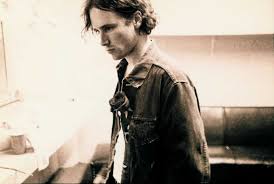
Tragically, Buckley’s untimely death in 1997 at age 30 transformed him from a rising talent with a dedicated cult following into an enduring legend. His passing amplified the emotional weight of his music and created a powerful narrative of lost potential. “Grace,” his sole completed album, became his definitive, almost sacred, statement. Sales surged, critical acclaim solidified, and tributes poured in. The internet later played a crucial role in introducing new generations to his work. This “tragic hero” status, combined with the profound vulnerability already present in his music, resonated deeply with an indie sensibility often drawn to artists perceived as sensitive, authentic, and perhaps too pure for the world. Jeff Buckley’s unique sound, his deliberate distance from the mainstream, his assertion of identity, and the profound impact of his loss all converged to create a lasting legacy, securing his place as an icon cherished within the independent music community.
 Broken Prism Studios